Brand Thinking vs. Brand Aesthetics: What Actually Grows a Brand in 2026?
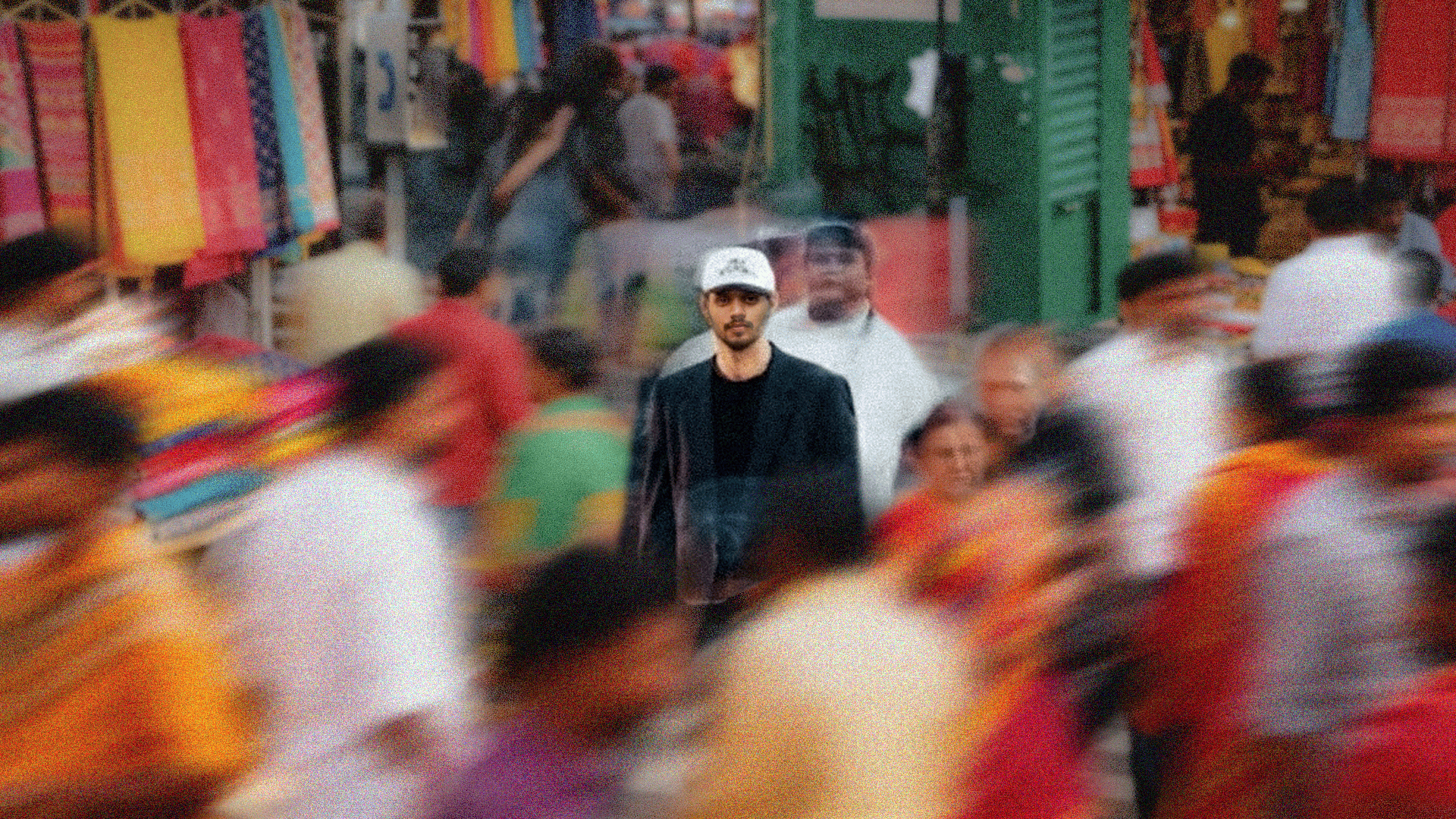
Akartha crafts adaptive, hyper-local branding for AgriCentral.
Akshara Kachhawa
3 August 2026
Marketing & Advertising
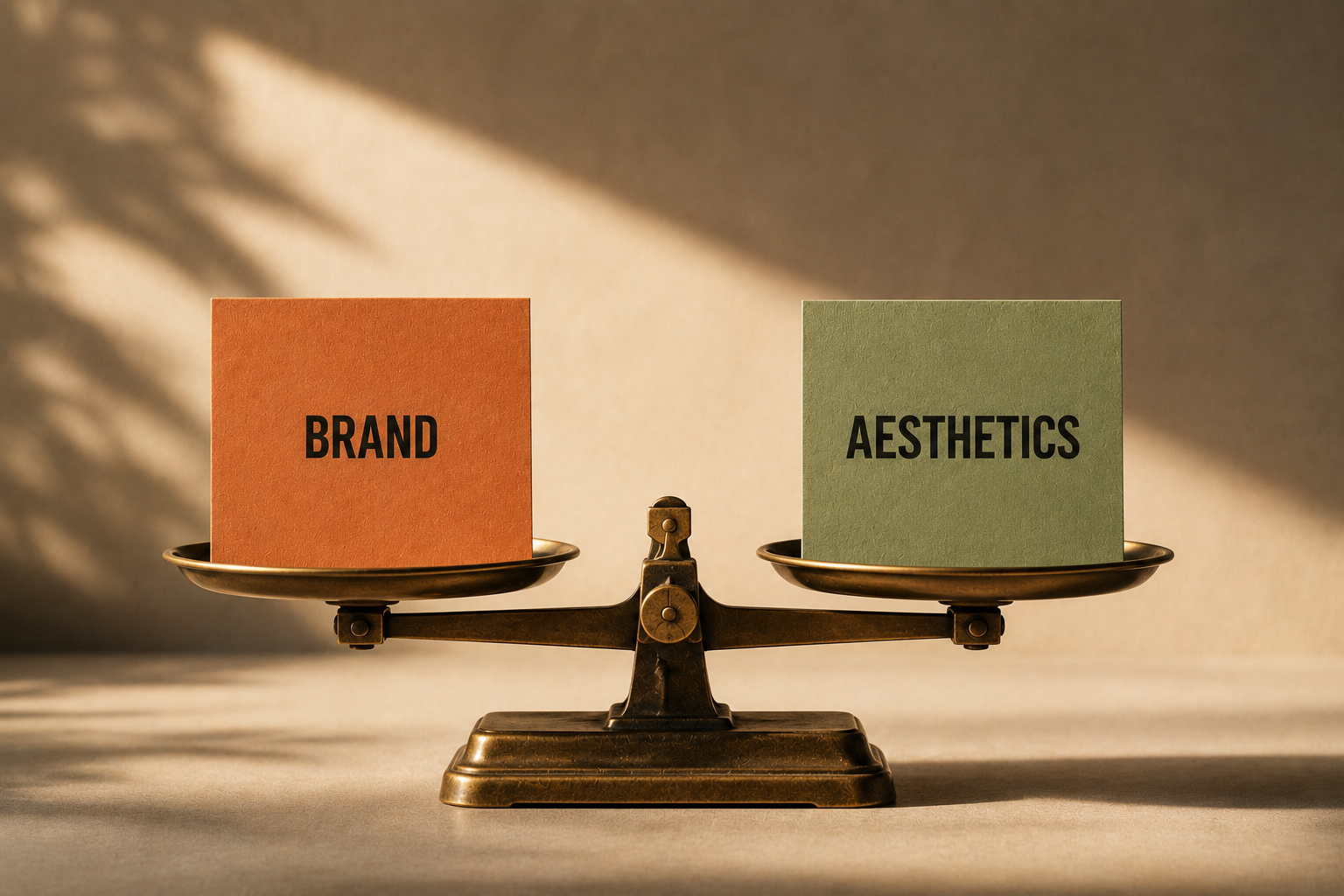
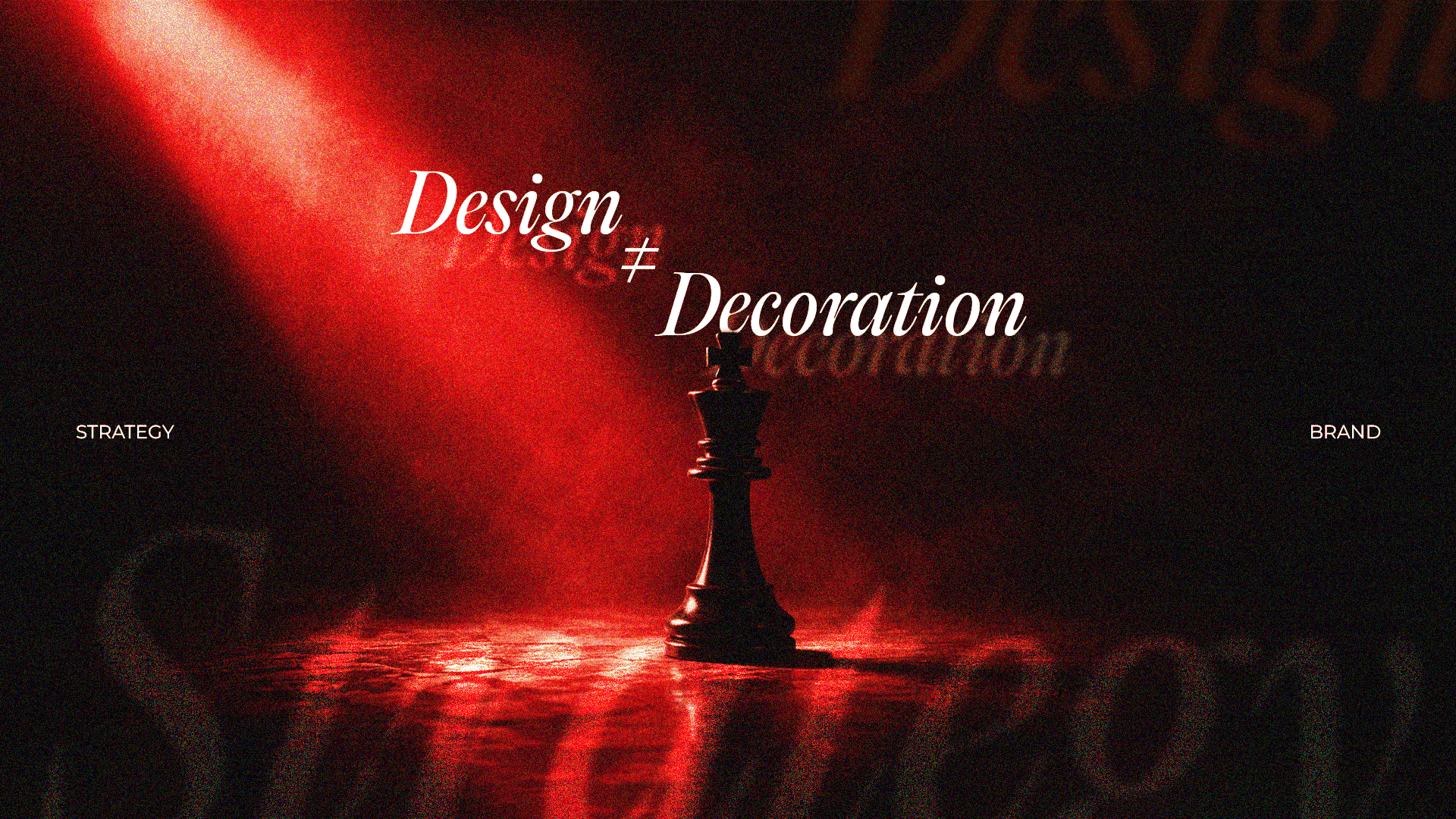
Every brand conversation in advertising school and every agency pitch eventually collides with this question: does a brand grow because of what it believes and stands for (positioning, purpose, category strategy) or because of what it looks, sounds and feels like (logo, colour, typography, packaging, visual world)?
In 2026, with more brands fighting for the same few seconds of attention than ever before, this isn’t just a design-school debate anymore. It’s a real business question, and the answer shows up clearly in how real brands have grown, stalled, or collapsed.
The Case for Brand Thinking
Brand thinking is the invisible layer: positioning, category strategy, who the brand is for, and why it deserves to exist at all. It’s not something a customer can point to, but it’s usually the reason a brand survives long enough to matter.
It builds recognition that outlasts any single campaign. Amul and Fevicol are two of India’s oldest, most loved brands, and neither has meaningfully changed how it looks in over fifty years. The Amul girl and Fevicol’s humour-led ads have stayed almost exactly the same since they began. What kept both brands growing wasn’t a bold new aesthetic push. It was that the strategy underneath that never needed to change, so the brand never gave people a reason to forget it. This is what brand thinking gives a business:
● A reason to exist beyond the product
● Consistency that compounds instead of resetting every year
● The credibility to take risks without losing trust
The Case for Brand Aesthetics
Brand aesthetics is everything a customer can actually see, hear, or hold. From the logo, the colours, the packaging to the tone of voice. On its own, it can’t fix a broken business. But it’s often the only thing standing between a brand and being ignored completely.
1. Liquid Death sells canned water: a product with almost nothing to differentiate it. Yet it reached a $1.4 billion valuation by 2024. What built the business wasn’t the water. It was skull logos, heavy-metal-style cans, and a voice that had no business belonging to a water brand. People bought it because it was fun to be seen holding it.
2. In 2009, Tropicana redesigned its orange juice packaging, replacing its familiar orange-with-a-straw image with a plain, modern glass of juice. Nothing else about the brand changed. Sales dropped in two months, because shoppers simply couldn’t spot it on the shelf anymore. This is what brand aesthetics gives a business:
● Instant recognition in a crowded market
● A way to be talked about, shared, and remembered
● The visual shorthand that strategy alone can’t provide
Why 2026 Doesn’t Leave Room to Pick Just One
This debate isn’t new, but it feels different in 2026 than it did even five years ago. In the past, a brand could get away with leaning on one side while the other quietly caught up later. A brand with sharp positioning but an average look could still build familiarity over time, simply by showing up again and again until people got used to it. A brand with a striking look but a thin strategy could ride on being new and interesting for a while before anyone looked closer. Attention moved slower back then, and slow attention is forgiving.
That patience doesn’t really exist anymore. People are scrolling past more brands in a single day than they used to see in a month. Competence alone stopped being a differentiator a while ago. What’s left is whether a brand actually has something clear to say, and whether it says it in a way people can recognise instantly, without needing to be told twice.
Where this seems to be heading next is less about which side of the debate wins, and more about the gap between the two closing further. As it gets easier for anyone to produce polished-looking work, the brands that stand out will be the ones where the look was never separate from the thinking to begin with. Where you couldn’t hand someone the visuals without the strategy coming along with them. That’s a harder thing to fake than either strategy or design on their own, and it’s likely to matter more.
Akartha’s Point of View
Brand thinking and brand aesthetics were never really two competing schools, they’re two halves of the same job, and the brands that struggle are usually the ones that only ever finished one half. A strategy nobody can see or feel doesn’t move anyone, no matter how sharp it looks in a deck. A beautiful identity with nothing real behind it gets attention for a season and then quietly stops working.
Akartha crafts adaptive, hyper-local branding for AgriCentral.

Beyond Influence: The Future of the Creator Economy author Shravya Date 19 Jul 2025 category Marketing & Advertising Not just…

Building Brands That Belong: The Power of Culture-First Marketing author Shravya Date 19 Jul 2025 category Marketing & Advertising Not…

Inside Akartha: How We Blend Art, Strategy, and Chaos into Culture-Shifting Work? author Shravya Date 19 Jul 2025 category Marketing…
From Insight to Impact: How to Build Culturally Rooted Campaigns? author Shravya Date 19 Jul 2025 category Marketing & Advertising…

What Makes a Campaign Work in India (And What Doesn’t)? author Shravya Date 19 Jul 2025 category Marketing & Advertising…
The Rural Brand Playbook: What We Did with AgriCentral author Shravya Date 19 Jul 2025 category Agri-Tech At Akartha, we…
Design Studio Inside a creative design Studio author Santhosh Date 19 Sep 2024 category Activity We are seekers and storytellers…
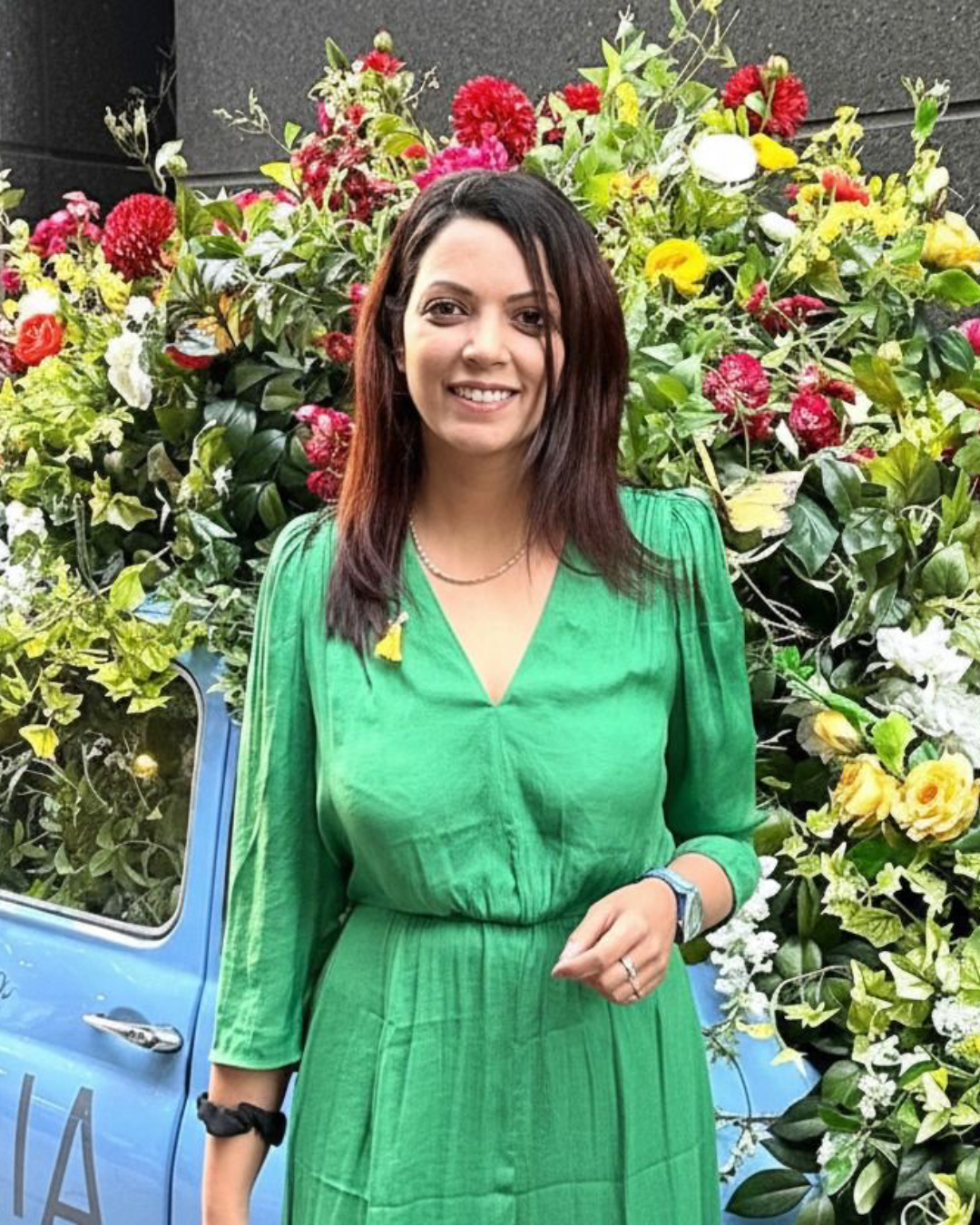
Geet Rathi is the Chief Creative Director at Akartha and an internationally acclaimed creative leader with experience across India and New York. A Cannes Lions Grand Prix winner, former Creative Director at Apple’s Media Arts Lab, and former VP & Creative Director at Area 23, New York, she has partnered with leading global and Indian brands including Apple, Bayer, GSK, Garnier, Dr. Reddy’s, JSW Paints, Fractal AI, Blue Tribe Foods, Tepezza, and NeuroGen Brain & Spine Institute.
Having served on the juries of Cannes Lions, One Show, Dubai Lynx, Spikes Asia, LIA, and several other international award shows, Geet combines strategic thinking with exceptional design to create work that is impactful, purposeful, culturally relevant, and globally recognized. She brings to Akartha a philosophy of designing meaningful solutions that are as functional as they are beautiful, inspiring teams to push creative boundaries by leading from the front.
Sanjana R is a graphic designer with a keen eye for visual storytelling and brand identity. Drawn to thoughtful design systems and meaningful concepts, she enjoys creating work that balances strategy with creativity. Drawn to thoughtful design systems and meaningful concepts, she enjoys translating ideas into distinctive visual experiences. With a balance of strategic thinking and creative exploration, she creates work that is purposeful, engaging, and memorable.
Sonal has great a passion for digital storytelling and social-first thinking, she love creating content that captures attention and keeps brands part of the conversation.
She is powered by caffeine, trends, and “what if we tried this?”
Kartik Achari who enjoys creating designs that are simple, creative, and meaningful. I like turning ideas into visuals that connect with people and communicate the right message. He is always learning new techniques and trying different ideas to improve his work. He enjoy the creative process, even when it’s challenging, and he always puts his best effort into every project because there’s always something new to learn.
Seasoned business leader with 15+ years of experience driving growth across industries. Expert in marketing, brand building, and innovation, she combines sharp business insight with a strong focus on ROI to deliver impactful results. Outside work, she enjoys baking, watercolor painting, and home gardening.
Preetam loves turning ideas into compelling visual narratives that connect with audiences. He also works as a UX/UI Designer, crafting digital experiences that are both visually engaging and intuitive. Always exploring new tools and techniques, Preetam continues to refine his craft and push creative boundaries.
With her global exposure, she blends campaign thinking and strategic planning to create content that lets brands live and breathe in culture.
Memes or brand bibles? Fluent in both.
Scaling brands through data-driven digital performance.
Worked with brands like: Pocket FM, Blackbuck and many more.
Growth-focused Product Marketing & Management Leader. Skilled in strategy, agile growth, automation, and customer engagement for business expansion. Specializes in lead generation and sales enablement
Young, driven, and highly dedicated, Nirmal is a passionate video editor with an infectious work ethic. His energy, consistency, and attention to detail help turn creative ideas into polished, high-quality visual narratives.
Ranga Shayi brings a unique blend of MBA strategy and creative intuition to the team. With a background in Marketing & Analytics and sharp insights from the high-speed quick commerce industry, he knows how to spot a trend before it peaks. But what truly sets Ranga apart is his mindset in the volatile world of social media: He doesn’t believe in losing. In his playbook, you either win, or you learn something valuable for the next campaign. He’s here to ensure the agency does a lot of both.
Aditi Kakaria is a Social Media Manager at Akartha, contributing to the brand’s digital storytelling through creative ideation for ad shoots and Instagram Reels. Aditi collaborates with the creative team to develop engaging, trend led content that strengthens Akartha’s social media presence and connects meaningfully with audiences.
Shreya is an Associate Manager at Akartha, contributing through research led thinking and content creation while supporting key initiatives across the agency.
Kishore is the Executive Manager at Akartha, overseeing the smooth operation of the agency and ensuring everything runs efficiently behind the scenes. With a keen eye for detail and excellent organizational skills, Kishore manages day-to-day operations, coordinating teams, and streamlining processes to keep projects on track. His ability to juggle multiple tasks while maintaining a high standard of work makes him an invaluable part of Akartha. Outside of his role, Kishore is always looking for ways to optimize workflows and improve operational efficiency, contributing to the agency’s growth and success.